
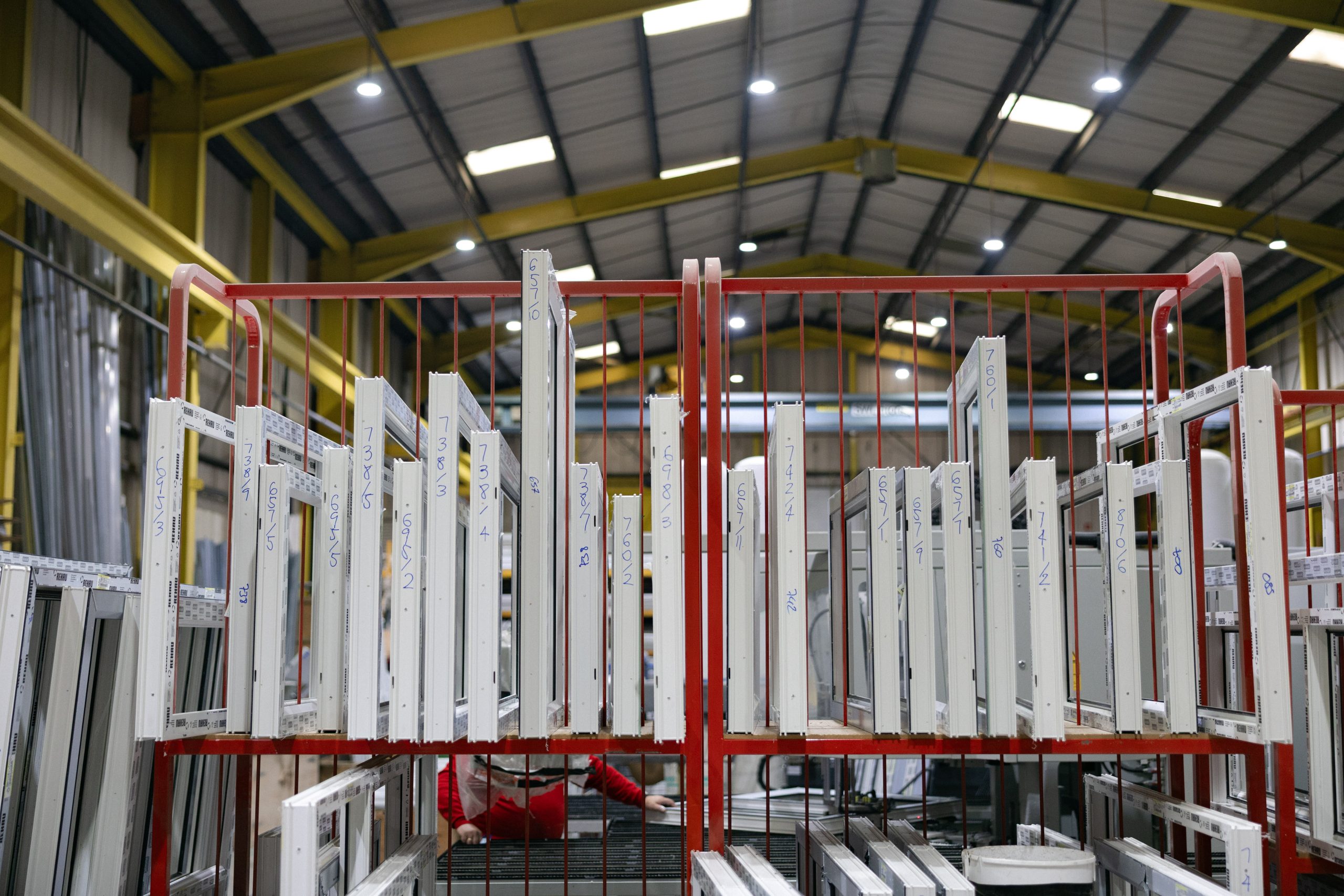
As construction methods continue to evolve, the pressure to build faster, safer and more efficiently has never been greater. As a result, more developers and contractors are turning to off-site solutions that help streamline construction processes, including factory-fitted window systems.
While traditional on-site fitting remains common across the industry, factory-fitted systems offer a different approach. By integrating windows directly into timber frame panels before they arrive on site, the installation process becomes faster, more controlled and less labour-intensive.
But how does that compare in practice?
Two different approaches to installation
Traditional window installation takes place after the structural frame has been erected on site. Window units are delivered separately and fitted individually as the build progresses, often alongside multiple other trades working within the same area. This has long been the standard process across the construction industry, but it can create additional pressure around sequencing, access and installation timing.
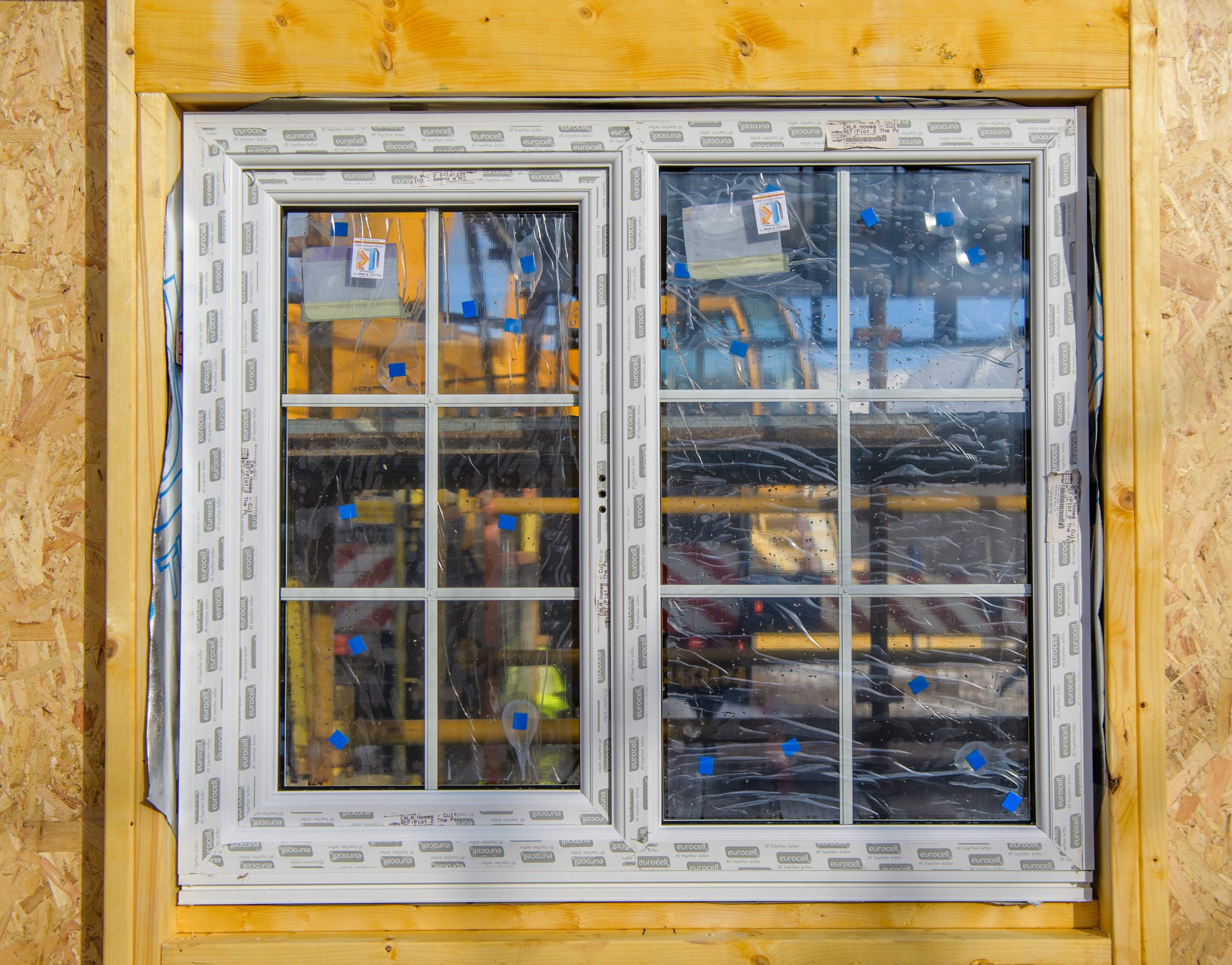
Factory fit systems approache installation differently. Instead of fitting windows once the structure is in place, the windows are integrated into timber frame panels within a factory-controlled environment before arriving on site. As a result, window installation becomes part of the panel erection process rather than a separate construction stage later in the programme.
Keeping projects moving efficiently
Construction programmes rely heavily on timing. Delays in one area can quickly impact follow-on trades and affect progress across the wider build. With traditional installation, window fitting is another stage that needs to be coordinated on site, often around weather conditions, scaffold access and delivery schedules. On larger developments in particular, this can slow momentum during key phases of construction.
As factory fitted windows are already integrated into the panels before delivery, buildings can be made weather-tight sooner after erection. This allows internal works to begin earlier and helps maintain a more consistent flow across the project programme. For developers and contractors working to strict timelines, simplifying this stage of the build can make a noticeable difference to overall delivery.
Improving safety on site
Window installation can involve significant manual handling, particularly when large glazed units are being fitted externally or at height. Traditional methods often require installers to work from scaffolding or access equipment while manoeuvring heavy units into position. On busy sites, this can increase both operational complexity and potential safety risks.
By moving much of the installation process into the factory environment, this reduces the amount of external glazing activity required on site. Fewer handling operations are needed during installation, and less work is carried out at height once the panels are inserted. This creates a more controlled installation process and can help improve overall site safety during the window installation phase.
Reducing pressure on labour and site coordination
Modern construction projects are increasingly affected by labour availability, scheduling pressures and site logistics. Traditional installation requires separate delivery, storage and fitting processes for window units, all of which need to be coordinated around other activity on site. Any disruption can create knock-on effects across multiple trades.
With factory fitted windows, much of that coordination has already taken place before the panels reach site. Installation becomes less labour-intensive on site and reduces the number of individual operations required during the build programme. Rather than focusing purely on the cost of the window system itself, many of the benefits come from simplifying the wider construction process and reducing pressure on site resources.
Consistency through controlled installation
Site conditions are rarely predictable. Weather exposure, varying access conditions and programme pressures can all influence the consistency of traditional window installation.
Factory-controlled installation offers a different level of consistency. As these windows are fitted within a controlled manufacturing environment, the installation process is standardised across every panel before delivery. This helps improve quality control and reduces the variability that can sometimes occur during on-site fitting.
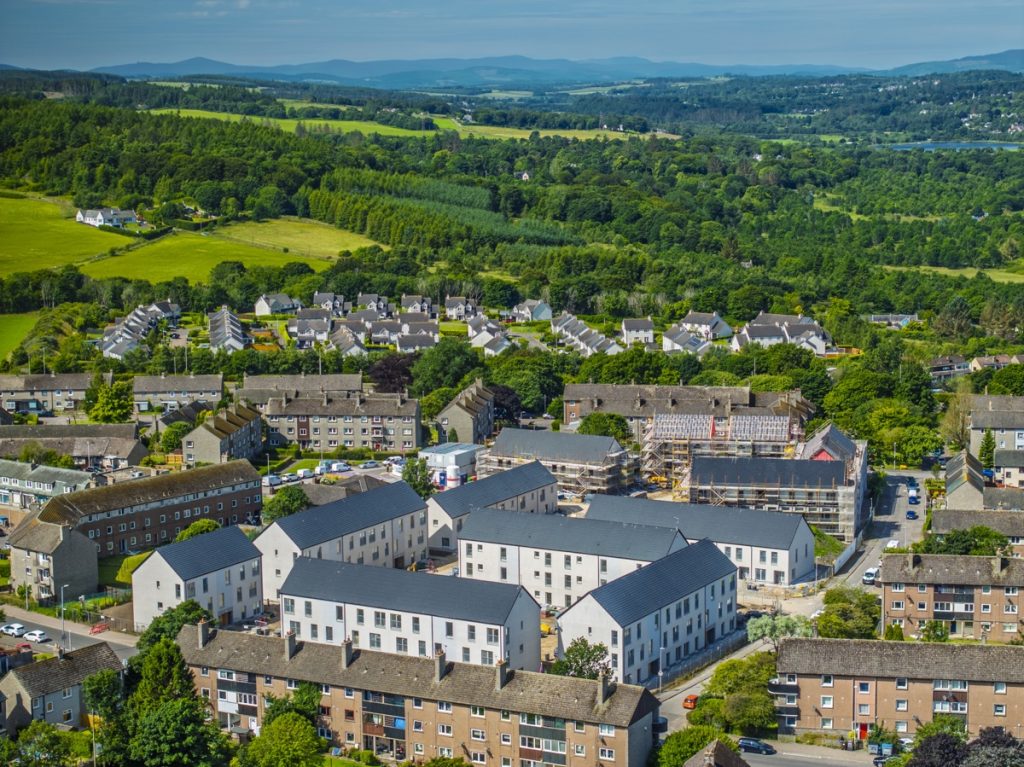
For larger developments or repeat-build projects, maintaining that consistency across multiple plots can be particularly valuable.
A smarter approach to window installation
Traditional window installation methods continue to play an important role across many types of construction projects. However, as off-site manufacturing and timber frame systems become more widely adopted, integrated installation methods are becoming increasingly relevant.
By combining window installation with the panel manufacturing process, systems like this help simplify construction stages, reduce on-site complexity and support a more streamlined build programme. For projects focused on efficiency, coordination and modern methods of construction, that shift represents a significant change in how window installation is approached.
To find out more about factory fit window systems and how Pinefield Glass can support your next project, get in touch with our team today.